
Simi Valley offers a practical mix of Ventura County living, suburban neighborhoods, mountain views, parks, schools, commuter access, and everyday conveniences. This guide is designed for home buyers comparing Simi Valley neighborhoods, pricing expectations, lifestyle fit, and the local details that matter before writing an offer. If you are exploring Simi Valley real estate, use this page to narrow your search, prepare smarter questions, and decide what kind of home and location fit your next move.
About this guide: This guide was prepared by the Nicki & Karen real estate team, Ventura County agents recognized in the RealTrends and Wall Street Journal “America’s Best” real estate rankings. We help buyers across the Conejo Valley and neighboring communities, including Simi Valley, compare neighborhoods, review disclosures, and negotiate using local sales data. Facts in this article come from the City of Simi Valley, Simi Valley Unified School District, the Ventura County Transportation Commission, and major real estate market reports, and were last reviewed in October 2026.
Is Simi Valley a good fit for your next home?
Simi Valley can be a strong fit for buyers who want a primarily residential community with access to outdoor recreation, regional transit, local schools, and proximity to Los Angeles and Ventura County job centers. The city lists Amtrak and Metrolink passenger rail service, a local bus system, nearby airport access, 39 parks, golf courses, a performing arts center, a library, and Adventist Health Simi Valley among its community resources.
For many buyers, the appeal is balance. Simi Valley feels more spread out and residential than dense urban neighborhoods, yet it still connects to the broader Southern California region through the 118 corridor, Metrolink’s Ventura County Line, local bus service, and nearby communities such as Moorpark, Thousand Oaks, Chatsworth, and the San Fernando Valley. That combination makes it especially worth considering if you want a home search that weighs commute, lot size, neighborhood feel, school options, parks, and long-term resale fundamentals together instead of treating price as the only factor.
A good Simi Valley home search should start with lifestyle first: where you commute, how much outdoor space you want, whether an HOA is acceptable, what school boundaries matter, and how close you want to be to parks, shopping, trails, or the train station. From there, a local real estate plan can help you compare homes that may look similar online but live very differently in person.
Simi Valley at a glance for home buyers
Simi Valley sits in eastern Ventura County and is shaped by foothills, open-space edges, suburban corridors, and established residential tracts. The City of Simi Valley’s official At a Glance quick facts describe a community with a median age of 40.6, a historically high owner-occupied housing share, passenger rail service, local bus connections, and public amenities that include parks, golf, performing arts, and a public library.
For buyers, those facts translate into several practical search considerations:
- A car-friendly suburban layout: Many errands, schools, parks, and shopping areas are easiest to reach by car, even though transit options exist.
- Multiple neighborhood styles: Buyers can compare older single-family tracts, central neighborhoods, hillside communities, townhomes, condos, and larger-lot areas.
- Outdoor access: Parks, trails, and foothill settings are a major lifestyle draw, especially for households that value weekend recreation close to home.
- Regional commuting: Simi Valley can work for buyers commuting within Ventura County, into the San Fernando Valley, or toward Los Angeles, but drive times vary heavily by destination and traffic.
- Property-by-property due diligence: HOA rules, school boundaries, lot slope, insurance considerations, remodel quality, and commute patterns can change the value equation from one listing to the next.
That is why online browsing is only the first layer of the search. A home that looks perfect in listing photos may sit on a busier corridor, carry HOA obligations, need major system updates, or fall outside the school boundary a buyer expected. A local buyer consultation helps turn broad interest into a focused plan.
Simi Valley neighborhoods buyers commonly compare

Simi Valley neighborhoods are not all interchangeable. Two homes at similar price points can offer very different trade-offs depending on age, street setting, lot usability, HOA structure, school boundaries, trail access, freeway access, and proximity to shopping. The City of Simi Valley’s housing element planning materials use broad geographic labels such as West End, Central West, Northern, Upper Northern, Central East, East End, Southern, and South Western, while everyday buyers often use more familiar community and tract names when searching.
West Simi and Wood Ranch-style living
The western side of Simi Valley is often attractive to buyers who want a more planned suburban setting, access toward Thousand Oaks, and foothill or open-space surroundings. In and around Wood Ranch, buyers commonly evaluate HOA rules, property age, lot slope, proximity to parks or golf, and whether the home’s layout matches current lifestyle needs.
This part of town can appeal to buyers seeking a polished residential feel, but it is important not to treat every property in the area as the same. Some homes may offer larger floor plans or scenic settings, while others may involve higher carrying costs, association rules, or less usable yard space than expected. A strong offer strategy should account for the exact micro-location, not just the neighborhood name.
Central Simi and established residential tracts
Central Simi Valley often appeals to buyers who want practical access to shopping, schools, parks, major roads, and a wider range of home types. Many established tracts may offer traditional suburban layouts, single-story options, and mature neighborhood character, depending on the street and property.
For buyers comparing central Simi Valley real estate, condition matters. An older home with updated roofing, HVAC, windows, plumbing, electrical, drainage, and a functional floor plan may be more valuable than a larger home that needs immediate work. During showings, focus less on staging and more on systems, permits, layout flexibility, noise, parking, and natural light.
East Simi, Santa Susana, and foothill-adjacent areas
East Simi Valley can be attractive for buyers who prioritize access toward the San Fernando Valley, Chatsworth, or the eastern side of the 118 corridor. Areas near Santa Susana and the eastern foothills may offer a different feel from the flatter central portions of town, with some homes near scenic corridors, trail access, or more varied terrain.
This is a good example of why a buyer should tour at different times of day. Morning commute flow, afternoon sun exposure, school pickup traffic, and evening noise can all affect how a home lives. If you are relocating from outside Ventura County, spend time driving your likely commute routes before deciding which side of Simi Valley belongs on your short list.
Big Sky, north-side hillside areas, and view-oriented homes
North-side hillside communities and view-oriented neighborhoods can attract buyers looking for newer-feeling homes, elevated settings, or a more open visual backdrop. These homes may offer dramatic curb appeal, but buyers should also examine practical details such as driveway slope, backyard usability, wind exposure, maintenance needs, insurance requirements, and HOA rules where applicable.
The right hillside home can feel private and scenic. The wrong fit can create daily frustrations if parking, stairs, yard access, or maintenance requirements do not match the household’s needs. Before making an offer, review seller disclosures carefully and ask targeted questions about drainage, retaining walls, roof condition, prior repairs, and any association documents. In California, most residential sellers must provide a Real Estate Transfer Disclosure Statement (required under California Civil Code Section 1102 et seq.), so read it alongside the inspection report rather than in isolation.
Larger-lot, equestrian, and semi-rural-feeling pockets
Some buyers come to Simi Valley looking for more space, hobby uses, RV parking, workshop potential, animals, or a less uniform tract feel. Larger-lot and equestrian-oriented pockets can be appealing, but they require more due diligence than a typical subdivision home.
Check zoning, permitted uses, septic or utility details if applicable, access roads, fencing, slope, drainage, outbuildings, insurance, and maintenance costs. A property with space can be a major lifestyle upgrade, but only if the land is usable for your actual goals.
Local lifestyle, parks, and Simi Valley attractions

Simi Valley’s lifestyle is closely tied to recreation. Visit Simi Valley, the city’s tourism resource, highlights parks, trails, Corriganville Park, Strathearn Historical Park and Museum, Iceoplex, and the Simi Valley Cultural Arts Center among local things to do. Simi Valley is also home to the Ronald Reagan Presidential Library and Museum, where the retired Air Force One is on display, a favorite outing when friends and family come to visit.
The city’s park system is a key part of daily life for many residents. Visit Simi Valley describes dozens of parks throughout the community, including neighborhood parks, sports facilities, picnic areas, playgrounds, walking paths, and open spaces, while the City of Simi Valley lists 39 parks in its own quick facts. Many local parks and trailheads are operated by the Rancho Simi Recreation and Park District, which is worth checking when you want to know what is planned near a specific neighborhood.
For home buyers, Simi Valley attractions are more than weekend entertainment. They can shape your neighborhood choice, daily routine, and resale appeal. If you have children, pets, visiting family, outdoor hobbies, or a preference for walkable recreation, the distance from a home to parks and trails may matter as much as the kitchen finishes.
Consider these lifestyle questions while touring homes:
- Parks and trails: Which parks would you realistically use during the week, not just on weekends?
- Youth activities and sports: Is the home convenient to fields, gyms, rinks, pools, or after-school activities?
- Arts and events: Do you want easy access to the Simi Valley Cultural Arts Center or community events?
- Historic and outdoor destinations: Would you use places such as Corriganville Park or Strathearn Historical Park when hosting guests?
- Shopping and errands: Are grocery stores, medical offices, restaurants, and daily services close enough for your routine?
A buyer who loves the outdoors may choose a slightly smaller home near a favorite trail. A buyer with a demanding commute may choose a central or east-side location over a more scenic setting. The best choice is the one that supports daily life after move-in.
Schools, boundaries, and family planning considerations
Simi Valley Unified School District serves local families and states that it offers 28 schools with varied programs and courses, including Career Technical Education pathways, Advanced Placement and International Baccalaureate coursework, and school choice options.
If schools are part of your home search, verify boundaries directly with the district before relying on third-party listing sites. School assignments and programs can be subject to district policies, enrollment rules, application requirements, and changes over time. SVUSD provides an official school finder and enrollment information, which should be checked before making a purchase decision tied to a specific campus.
For buyers with children, school research should be paired with neighborhood research. Think about school commute, after-school care, activity locations, safe drop-off logistics, and how a school boundary affects resale demand. For buyers without children, schools can still matter because many future buyers evaluate them, so they may influence marketability.
Commuting and transportation planning
Commuting is one of the biggest make-or-break issues in a Simi Valley move. The City of Simi Valley lists Amtrak and Metrolink passenger rail service, local bus service, connections to regional transit agencies, and nearby airport access including Burbank, Camarillo, and Los Angeles International Airport.
Metrolink’s Ventura County Line operates between East Ventura and Los Angeles Union Station on weekdays, and the Ventura County Transportation Commission (VCTC) notes additional trips from the Moorpark and Simi Valley stations into Los Angeles during commute periods.
For buyers, that means transportation planning should be specific, not theoretical. A home that is “near the freeway” may still be inconvenient if your morning route backs up before you reach the on-ramp. A home near rail may be useful if the schedule matches your workday, but less useful if you still need a long drive or rideshare to the station.
Before choosing an area, test your routine:
- Drive the commute at your actual departure time. Weekend tours do not reveal weekday traffic.
- Check rail and bus schedules. Confirm that departure and return options fit your work hours.
- Map school and childcare trips. A short work commute can become difficult if school drop-off runs the opposite direction.
- Compare errands by neighborhood. Grocery, pharmacy, medical, gym, and family activities can add time every week.
- Look at parking and street layout. Narrow streets, limited guest parking, steep driveways, or HOA parking rules can affect daily convenience.
Transportation fit often separates a home you admire from a home you will enjoy living in.
Current Simi Valley real estate market context
Simi Valley real estate conditions change with interest rates, inventory, buyer demand, and neighborhood-specific supply. As of the most recent 2026 market snapshots we reviewed in October 2026, Zillow reported a Simi Valley median home value of $833,307 as of August 2026, Redfin reported a median sale price of about $804,000 over the three months ending August 2026, and Realtor.com described Simi Valley as a balanced market in September 2026.
Those citywide figures are useful for orientation, but they should not be treated as the value of any specific property. A renovated single-story home, a hillside home with views, a townhouse with an HOA, a fixer, a larger-lot property, and a home near a busy road can all perform differently. Pricing strategy should be based on comparable sales, active competition, property condition, seller motivation, days on market, and the buyer’s financing strength.
Local agent insight: When we help buyers price an offer, we start with sold comparables from the same tract or HOA whenever possible, adjust for condition, lot usability, and updates, and then weigh them against the active listings a buyer is competing with. Portal medians are a useful starting point, but a neighborhood-level comparative market analysis is what should drive your offer price.
What buyers should evaluate beyond list price
A smart offer considers the full cost and risk profile of the home, not just the advertised price. Before you decide a property is a bargain, review:
- HOA dues and rules: Confirm monthly cost, rental restrictions, architectural rules, parking policies, pet rules, and reserves where applicable.
- Taxes and assessments: Review the estimated tax bill and any special assessments instead of relying only on a payment calculator.
- Insurance availability and cost: Ask early, especially for hillside, open-space-adjacent, older, or unique properties.
- Major systems: Roof, HVAC, plumbing, electrical, water heater, drainage, windows, and foundation condition can affect both comfort and budget.
- Renovation quality: New finishes do not always mean permitted or high-quality work.
- Resale logic: Consider who the next buyer might be and whether the floor plan, location, or lot has broad appeal.
The strongest buyers are not always the ones who bid the highest. They are the ones who understand the property, write clean, well-structured offers, stay realistic about repairs, and know when to compete or walk away.
A practical home-buyer plan for Simi Valley
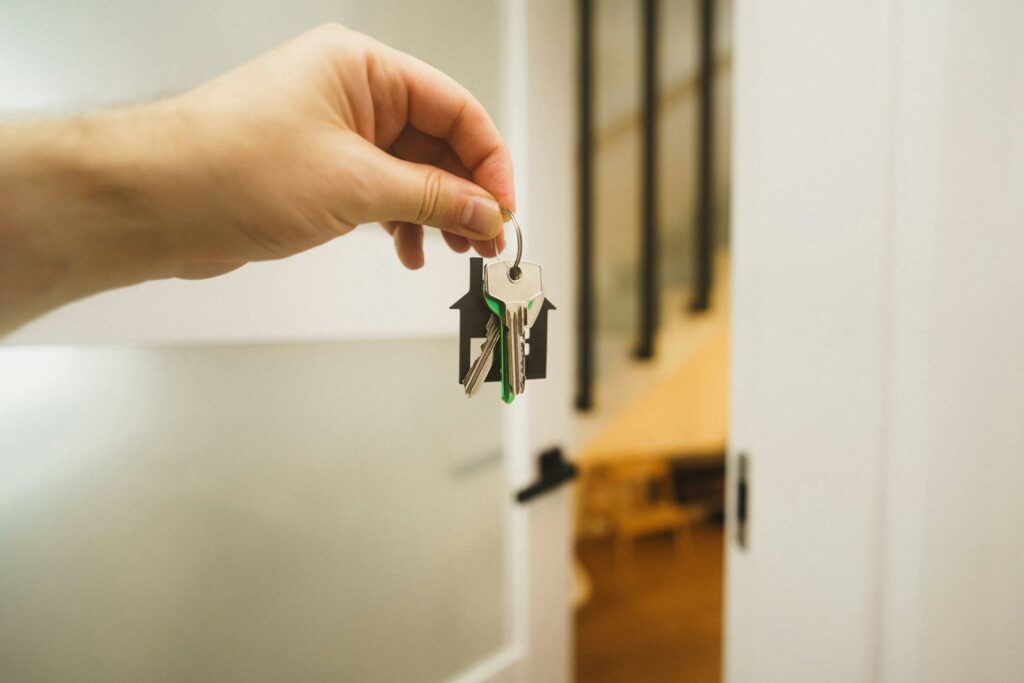
Buying in Simi Valley works best when the search is organized before showings begin. That does not mean rushing. It means getting clear enough that every tour teaches you something useful.
Use this process to move from browsing to buying:
- Define your lifestyle must-haves. Separate true needs from preferences: bedrooms, commute, school needs, yard, parking, stairs, HOA tolerance, and budget.
- Get financing reviewed early. A pre-approval helps you understand payment, cash needed, loan limits, and offer strength before you fall in love with a home.
- Compare neighborhoods in person. Drive west, central, east, north-side, and foothill areas so you can feel the differences beyond listing photos.
- Tour homes with a checklist. Note condition, noise, sunlight, storage, parking, yard usability, privacy, and signs of deferred maintenance.
- Review local comparable sales. Do not rely only on automated valuations; compare homes by neighborhood, size, condition, lot, and timing.
- Plan inspections strategically. A general home inspection plus roof, sewer, chimney, pool, drainage, foundation, or specialty inspections may be appropriate depending on the property.
- Negotiate with the full picture. Price, credits, repairs, contingencies, closing timeline, and appraisal risk all matter.
- Prepare for ownership. Budget for moving, utilities, maintenance, insurance, furnishings, landscaping, and first-year repairs.
A local real estate advisor can help you turn these steps into a property-specific plan. That support is especially valuable when comparing Simi Valley neighborhoods with different ages, layouts, associations, and market expectations.
Local guidance for your Simi Valley move
A good Simi Valley purchase is not just about finding a house; it is about choosing the right location, cost structure, commute, property condition, and long-term fit. The city offers parks, transit access, schools, attractions, and a range of neighborhood styles, but each buyer will weigh those features differently.
If you are ready to explore Simi Valley real estate, start with a local buyer consultation. Bring your budget, commute goals, preferred neighborhoods, school considerations, timeline, and must-have list. From there, you can compare available homes, tour with confidence, and make a decision based on real local context instead of guesswork.