Imagine waking up to the rhythmic crash of the Pacific against your deck in Malibu, versus the quiet, tree-lined serenity of a canyon estate in the Palisades. While only fifteen miles separate these two icons of wealth, they offer fundamentally different versions of the California dream. Real estate experts often note that Malibu luxury homes vs. Pacific Palisades properties aren’t distinguished by price tags alone, but by the distinct “Atmosphere-First” strategy required to choose between them.
Choosing the right location involves calculating your tolerance for “lifestyle friction.” In the Palisades, daily logistics are seamless, offering a polished, village-centric experience where top-tier schools and dining are minutes away. By contrast, living in Malibu vs. Pacific Palisades for families often requires adopting a “PCH mindset”—a willingness to trade city convenience for the rugged, star-studded seclusion that defines Malibu real estate.
Fundamentally, this decision is a reflection of your identity. Are you seeking the anonymity of a gated bluff, or the “everyone knows your name” warmth of a traditional neighborhood? The following comparison breaks down the nuances of privacy, commute, and community to reveal which coastal haven truly aligns with your life.
27 Miles of Scenic Seclusion vs. The Village Hub: Why Your Proximity to a Grocery Store Changes Everything
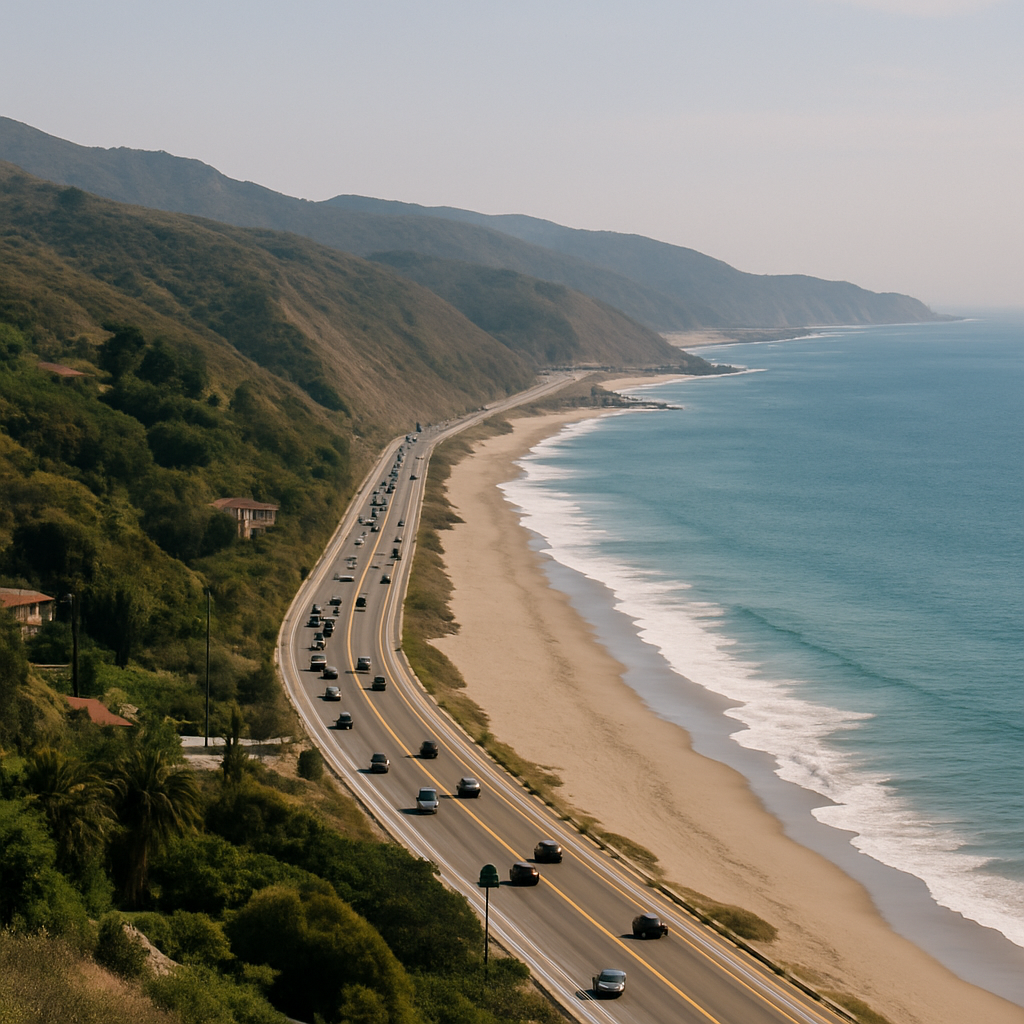
Stretching twenty-seven miles along the coast, Malibu functions as a linear community where your neighbors might be a twenty-minute drive away rather than a walk across the street. In contrast, the Pacific Palisades Village lifestyle guide revolves around a concentric design—a central hub radiating outward, creating a walkable, “small town” density. This fundamental difference dictates your daily rhythm: are you seeking the solitude of a sprawling coastline, or the convenience of a neighborhood where you bump into friends at the coffee shop?
For buyers comparing Malibu Colony vs Huntington Palisades, the valuation metrics shift entirely. In Malibu, pricing is often dictated by “sand-lead”—how few steps separate your patio from the tide. While oceanfront estates in Broad Beach command premiums for this immediate water access, Palisades homes trade the visceral connection to the waves for larger, flat lots and the stability of solid ground, avoiding the intense saltwater maintenance required when the ocean is literally your backyard.
Navigating these distinct social ecosystems requires understanding where the community gathers.
- Malibu’s Linear Nodes: Trancas Country Market for western essentials, the Malibu Country Mart for high-end socializing, and the Colony for exclusive, gated privacy.
- Palisades’ Central Zones: The Caruso Village for dining and retail, the Huntington Palisades for traditional estates, and the Alphabet Streets for high-density walkability.
Geography creates “lifestyle friction” in Malibu that simply doesn’t exist in the Palisades. If you need an ingredient for dinner at 8 PM, the Palisades resident often walks two blocks; the Malibu resident must weigh that errand against a winding drive on the highway. This trade-off between isolation and access defines the next major consideration: the reality of the daily drive.
The 20-Minute Breeze vs. The PCH Mindset: Evaluating Your Daily Transit to Tech Hubs and the City
For professionals anchored to the tech corridors of Silicon Beach, the Palisades offers a distinct logistical edge. The commute is less about endurance and more about predictable routine; a morning drive from the Alphabet Streets to a Santa Monica office often clocks in under twenty minutes. This reliability stands in sharp contrast when analyzing Pacific Palisades vs Malibu commute times, as the former allows residents to maintain a high-powered career without sacrificing the tranquility of a coastal home base.
Living in Malibu demands what locals call the “PCH Mindset”—an acceptance that your schedule is dictated by the Pacific Coast Highway. While luxury real estate market trends West Los Angeles generally favor central accessibility, Malibu buyers trade efficiency for the sheer beauty of the drive. The reality of a commute from Point Dume involves navigating Malibu PCH traffic concerns for commuters, transforming the car ride from a simple transit task into a daily, albeit unpredictable, meditation.
Choosing between these locations depends on your relationship with time. If your lifestyle requires rigid precision for morning meetings, the Palisades provides necessary stability, whereas Malibu rewards those with the flexibility to embrace a scenic, slower pace. Once the engine is off, however, the priority shifts from navigating public roads to ensuring personal seclusion, raising critical questions about gated sanctuaries versus neighborhood visibility.
Gated Beachfront Sanctuaries or Tree-Lined Neighborhood Safety? Assessing Privacy and Security Nuances
True privacy manifests differently depending on your zip code. In the Palisades, security is often a collective effort woven into the social fabric, where residents know their neighbors and unrecognizable cars stand out instantly. This “village” atmosphere creates a psychological safety net, answering the frequent question, “Is Pacific Palisades safer than Malibu,” with a model based on community visibility rather than fortification. Malibu, conversely, defines security through physical separation, utilizing high hedges and long, winding driveways to offer total anonymity for those who prefer their daily movements remain unobserved by the neighborhood.
While the gates of the Colony suggest absolute exclusion, the coastline introduces legal realities that every buyer must navigate. The California Coastal Commission mandates that sand up to the “mean high tide line” remains public domain, meaning a multi-million dollar view doesn’t always guarantee a private shoreline. Understanding the nuances of public vs private beach access in Malibu is essential, as public easements can place sunbathers surprisingly close to your lower deck. This dynamic influences Malibu beachfront property values, often placing a significant premium on bluff-top estates like those on Point Dume, where elevation ensures the public remains entirely out of sight.
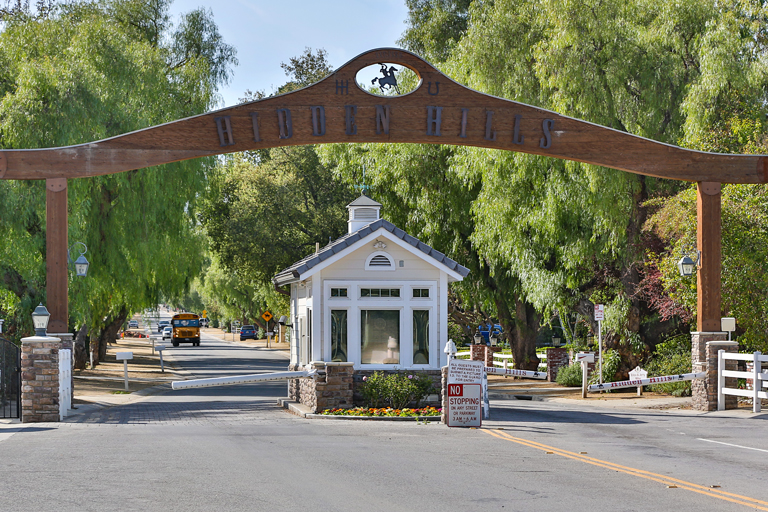
Balancing the desire for a fortress-like retreat against the need for a walkable community is often the final hurdle before entering escrow. For many, the decision eventually shifts from personal anonymity to the environment provided for the next generation. As the focus turns from physical gates to academic grades, the distinct social structures of these two enclaves reveal profound differences in how families navigate growth and education.
Elite Education and the ‘Small Town’ Feel: Comparing Family Life in the Palisades vs. Malibu’s Wide-Open Spaces
Real estate value is often preserved by the reputation of the local school district, acting as an invisible bedrock for property prices. In the Palisades, Palisades Charter High School (“Pali High”) serves as a massive draw, creating a centralized, spirited community feel where teenagers walk from campus to the Village. This accessibility contrasts sharply with living in Malibu vs Pacific Palisades for families, where the geography dictates a driving culture, and the “local” school might be a twenty-minute scenic commute down the Pacific Coast Highway rather than a stroll down the block.

Social life in these enclaves revolves around specific “Social Anchor” events that define the rhythm of the week. The Palisades Sunday Farmers Market isn’t just a place to buy organic kale; it is the town square where business deals are sealed over coffee and neighbors reconnect. Malibu offers a looser, lower-frequency version of this at the Trancas Country Market, but the vibe is less about consistent congregation and more about relaxed, incidental encounters between surf sessions.
Access to nature also shapes the definition of play. For Malibu residents, the mountains aren’t just a backdrop but an extension of the property line, turning state parks into a personal “backyard” mountain concept. While the best private schools near Pacific Palisades offer manicured athletic fields, Malibu offers rugged hiking trails in Santa Monica Mountains that encourage a wilder, more adventurous upbringing, trading sidewalks for equestrian paths and tide pools.
Choosing between these lifestyles comes down to whether you prefer a curated community experience or unbound natural freedom. However, purchasing access to either the walkable village or the private wilderness requires navigating two distinct real estate markets. As we move from emotional value to financial reality, the question becomes what physical luxury—be it acreage or ocean frontage—a specific budget actually secures in these competitive zones.
The $10 Million Comparison: Square Footage in the Canyons vs. Sand-Lead on the Coast
When maximizing a ten-million-dollar budget, buyers face a fundamental choice between polished interior space and raw coastal proximity. Pacific Palisades luxury homes generally offer a “structure-first” value proposition, where wealth buys grand square footage and usable flat land. In contrast, Malibu operates on a “sand-lead” economy; the closer your living room is to the breaking waves, the more you pay for the privilege, often at the expense of interior space or modern updates.
At this specific price benchmark, the market bifurcates into distinct lifestyle offerings:
- The Palisades Estate: A turnkey 5,500+ sq. ft. Cape Cod in the Riviera, featuring a flat backyard, pool, and walkable proximity to the village.
- The Malibu Beach House: A compact 2,200 sq. ft. vintage bungalow on Las Flores or La Costa, offering direct ocean frontage but potentially requiring renovation.
- The Malibu Compound: A 4-acre architectural estate in the canyon hills with panoramic views, trading beach access for massive privacy and acreage.
Beyond mere dimensions, the architectural styles in Pacific Palisades neighborhoods tend to favor “East Coast West” aesthetics—think white-shingled Traditionals that project community stability. Malibu luxury homes, conversely, often function as glass lenses focused on the horizon, utilizing mid-century modern or brutalist concrete designs to withstand the salt air while capturing the view.
The investment potential of coastal Los Angeles homes relies on scarcity, but the risk profiles differ significantly. The Palisades offers steady, “blue-chip” appreciation driven by school district demand, while Malibu is an emotional asset where value is dictated by the extreme rarity of the coastline. To truly decide which portfolio fits your future, you need to simulate the reality of ownership outside of an open house, leading us to the final “stress test.”
The Sunday Morning Stress Test: How to Sample Each Lifestyle Before You Sign
Deciding between these two iconic communities is no longer about comparing square footage, but choosing between two distinct identities. The true cost of living comparison between Malibu vs Pacific Palisades isn’t just financial, but measured in the daily trade-off between rugged isolation and polished connectivity. You have moved past the brochure aesthetics to recognize that luxury here is defined by what you are willing to sacrifice—be it the convenience of the city for oceanfront serenity, or total privacy for a walkable village atmosphere.
To validate your preference, execute a “lifestyle stress test” this weekend. Start with an espresso at Caffe Luxxe in the Palisades Village to experience the walkable community energy, then drive north to Broad Street Oyster Co. in Malibu to see if the scenic isolation energizes you. Pay close attention to your personal success metrics—specifically, whether the drive along PCH feels like a burdensome commute or a meditative escape.
Ultimately, your choice isn’t about finding the better investment, but finding the environment that mirrors your values. Whether you gravitate toward the social fabric of the Palisades or the private sanctuary of the coast, trust your visceral reaction to the environment. The right home doesn’t just fit your budget; it fits the rhythm of your life.