In Calabasas, a traditional “For Sale” sign planted on a manicured lawn is often the last thing a neighbor actually sees. While conventional real estate relies on public open houses and maximum online exposure, the gated enclaves of The Oaks and Hidden Hills operate on a strictly “Privacy-First” sales model. High-net-worth transactions here prioritize shielded, whispered networks over broad public broadcasting — and industry data reveals that preparing a luxury estate often takes three times longer than a standard local listing. Sellers are not merely decluttering a house; they are actively transforming a personal residence into a highly polished financial asset. Implementing essential privacy strategies for high-profile home sellers — such as requiring non-disclosure agreements before a showing — takes time, but it ensures that personal wealth stays off the evening news. For those navigating this exclusive $5M+ market, these quiet deals require strategic brokering, transforming the sale of a luxury estate from a simple transaction into a carefully managed life transition.
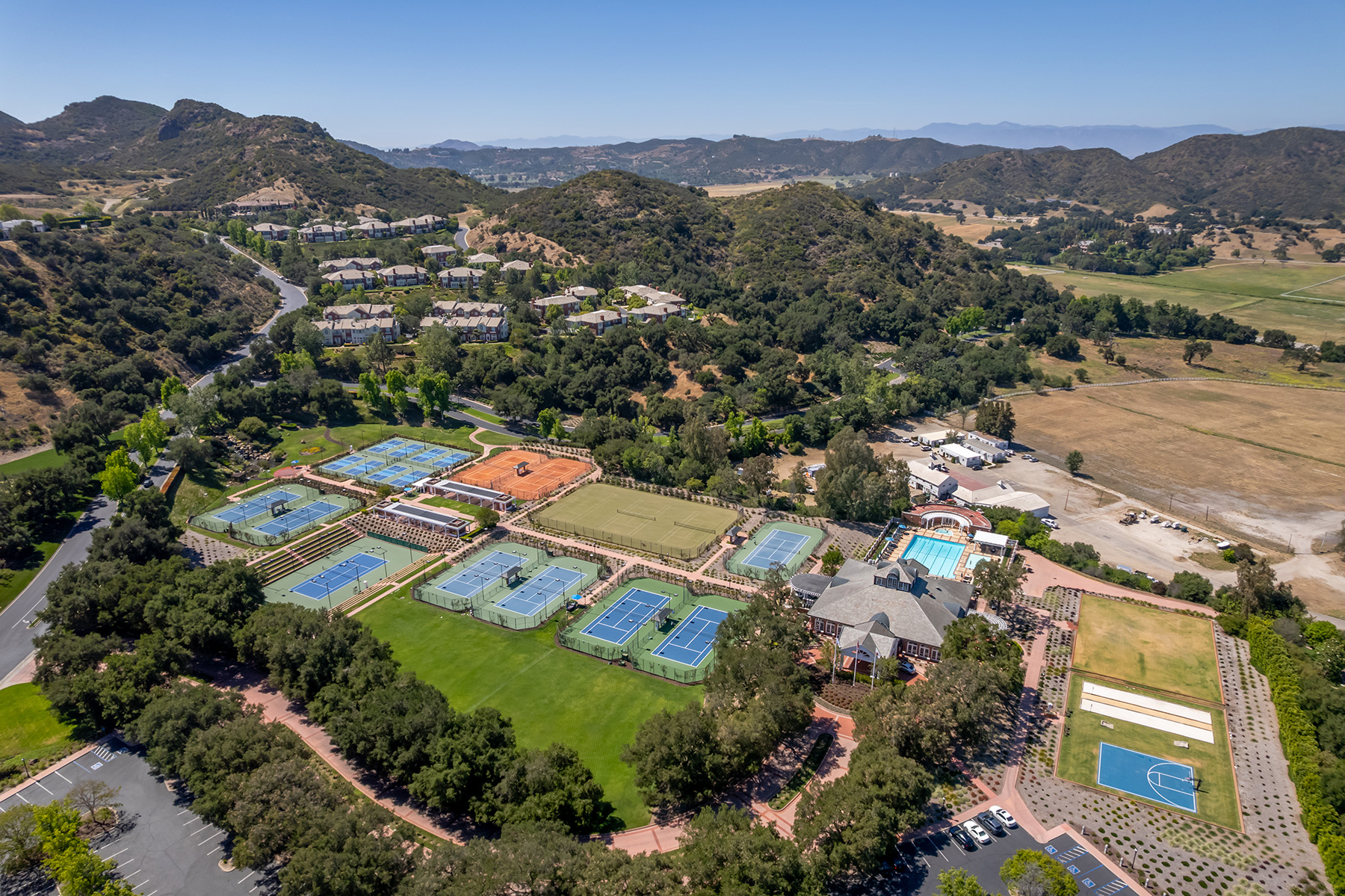
The Calabasas Enclave Hierarchy: Why Your Neighborhood Dictates the Buyer Profile
You might assume a multi-million dollar mansion holds the same appeal anywhere, but in this exclusive pocket of Southern California, the neighborhood name dictates your entire buyer profile. Evaluating Calabasas gated community property values requires looking beyond square footage to enclave-specific valuation — a custom estate derives a massive portion of its premium from the specific lifestyle and security promised by the guardhouse out front. When comparing Hidden Hills and Calabasas luxury markets, you are essentially evaluating different tiers of exclusivity that require distinct marketing strategies.
- The Oaks: Known for “double-gating” — a secondary, residents-only gate inside the main community — appealing to high-profile figures demanding paparazzi-proof security. The Oaks of Calabasas market trends show buyers paying heavy premiums for this layered isolation.
- Hidden Hills: Offers equestrian zoning with a rustic vibe, targeting buyers who prioritize massive lot sizes and community trails.
- Calabasas Park: Features a classic golf-course lifestyle with single-guard access, perfect for affluent executives seeking prestige without extreme isolation.
Because strict HOA rules often dictate how you can advertise — sometimes banning public open houses entirely — selling requires a highly targeted approach. Once you pinpoint exactly who is buying into your specific enclave, the focus shifts to visual presentation, prioritizing high-end staging and architectural photography to capture an international lifestyle look.
High-End Staging and Architectural Photography: Capturing the International ‘Lifestyle Look’
While local buyers might tour properties casually, selling a Calabasas estate requires preparing for an audience thousands of miles away. Staging a mansion for international buyers demands a shift from personal decor to aspirational, resort-style living. Before a camera even enters, the exterior must be flawless — the impact of high-end landscaping on curb appeal immediately signals to overseas investors that the property is meticulously maintained and ready for immediate possession. Standard snapshots cannot translate this carefully curated atmosphere across the globe, which is why professional architectural photography is mandatory at this price point, specifically utilizing the “Golden Hour” rule. By photographing the estate just as the sun sets over the mountains, warm twilight lighting dramatically highlights infinity pools and glowing interiors, instantly triggering an emotional connection for wealthy buyers browsing across different time zones.
Still images alone rarely close high-stakes deals, which is why luxury agents commission “lifestyle films” rather than basic video walkthroughs. These cinematic mini-movies generate massive international leads by selling a tangible California dream rather than just hollow square footage. During production, staging bonus rooms for multi-generational value becomes a crucial strategy, demonstrating to global buyers how the estate easily accommodates visiting extended family or private live-in staff. Once this elite visual presentation succeeds, the sudden influx of global interest introduces entirely new logistical challenges — attracting attention is only half the battle.
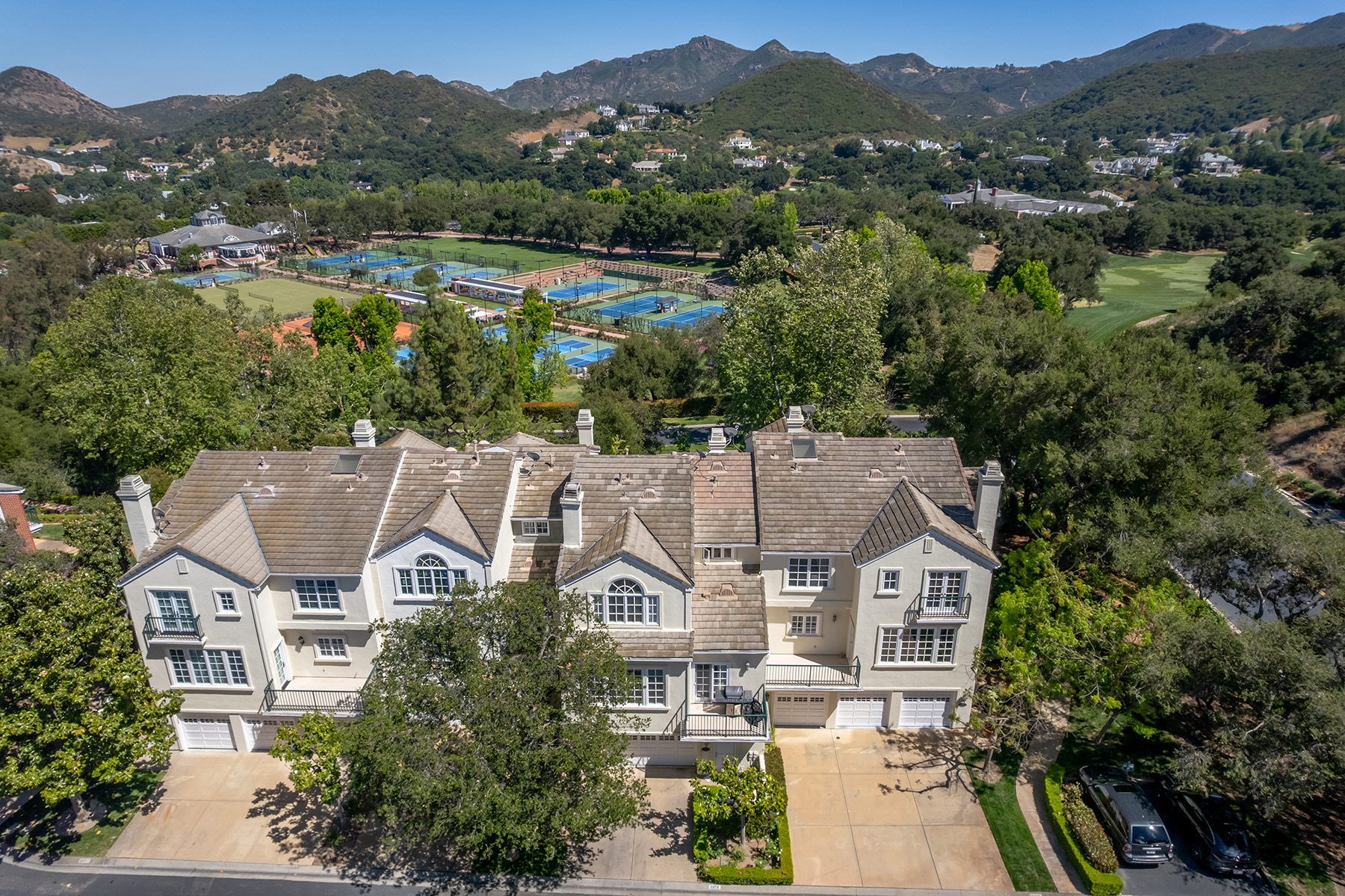
The Shield: How to Vet High-Net-Worth Individuals and Use Pocket Listings for Privacy
Once your stunning lifestyle film generates global interest, your priority quickly shifts from attracting buyers to protecting your sanctuary. Rather than broadcasting on the public Multiple Listing Service (MLS), many elite sellers utilize “pocket listings.” Think of this as the real estate equivalent of an unlisted phone number. Navigating pocket listings in the Los Angeles area allows agents to quietly share properties exclusively within their private networks, keeping your personal life completely off the internet while still securing qualified buyers.
To keep curious tourists out of your living room, you must master a strict “Qualified Showing” policy. Effective privacy strategies for high-profile home sellers rely on establishing this three-step defensive shield before a tour is ever scheduled:
- Proof of Funds (POF): A polite request for a wealth manager’s letter confirming the buyer possesses the necessary liquid assets.
- Non-Disclosure Agreement (NDA): A legal boundary ensuring your identity and interior home details remain strictly confidential.
- Discreet Background Check: A quick verification by your agent confirming the prospective buyer’s identity and intent.
Vetting high-net-worth individuals for private showings is standard practice. Elite agents gracefully frame POF requests as a marker of exclusivity rather than an insult, ensuring that every showing represents a genuinely qualified prospect.
Marketing to the 1%: Reaching Celebrity Clientele Through Targeted Digital Placement
When selling luxury homes, you are offering a highly guarded lifestyle rather than just a stylish floorplan. High-profile buyers rarely scroll public websites to hunt for estates. Instead, marketing luxury amenities to celebrity clientele means showcasing the specific features they cannot live without — for ultra-wealthy buyers, the top three non-negotiables usually include dual-gated privacy perimeters, comprehensive private wellness sanctuaries, and commercial-grade screening rooms. Getting these elite features noticed requires surgical precision through a digital strategy known as geo-fencing — drawing an invisible boundary over specific high-wealth zip codes such as Beverly Hills, Silicon Valley, or exclusive financial districts, where individuals are subtly served targeted video ads of your Calabasas luxury real estate as they browse the internet.
Interestingly, the person clicking these exclusive ads is rarely the famous buyer, but rather their Business Manager. These protective financial gatekeepers are your true audience, actively tasked with finding secure, private assets for their busy clients. Once you capture a manager’s attention and secure a qualified offer, the transaction shifts heavily toward the final paperwork and complex financial realities.
While standard escrow feels familiar, closing a Calabasas estate introduces a completely different financial landscape. You likely understand basic seller fees, but navigating this math means anticipating hurdles like luxury transfer taxes — often dubbed “mansion taxes.” These localized levies take a percentage of the gross sale price above specific high-value thresholds, significantly impacting your actual net proceeds. Preparing smart tax strategies for high-end home appreciation ensures these multi-million dollar realities never become an eleventh-hour surprise. A standard breakdown of closing costs for multi-million dollar California estates typically involves three major categories: commissions (structured payouts for both the buyer’s and seller’s representation), title insurance (enhanced premium policies required to protect vast, high-value assets), and luxury transfer taxes (city and county fees specifically triggered by high-net-worth transactions).
Beyond the raw numbers, protecting those funds requires flawless paperwork. Legal disclosures for luxury residential properties go far beyond standard home inspections — high-acreage Calabasas estates demand specialized documentation detailing everything from private equestrian trail easements to custom commercial-grade generators. Once your financial team clears these complex disclosure hurdles and verifies the funds, closing the deal hinges on handling contingencies and executing a seamless transition.
Negotiating the Finale: Handling Contingencies and the Transition Plan
Navigating the nuances of selling a luxury home in Calabasas shifts dramatically once offers arrive. Luxury homes often remain on the market for several months due to a highly exclusive buyer pool — but patience yields rewards. Here, the “Art of the Comparable” is critical, as appraisers weigh the subjective value of bespoke upgrades against neighboring estates. Success hinges not just on the top-line number, but on masterfully negotiating contingencies in luxury real estate contracts, including custom furniture inclusions and strategic post-sale rent-backs.
Your final move requires a carefully orchestrated approach to protect your peace of mind. Ensure a seamless handover by executing a three-step transition plan: organize your property’s architectural blueprints and smart-home codes, finalize NDA-protected vendor handovers to maintain staff privacy, and coordinate a discreet moving schedule that avoids neighborhood attention. Managing this high-profile exchange requires absolute discretion. Leveraging subjective property value and specialized closing terms elevates a complex transaction into a sophisticated, secure transition to your next destination.