By Nicki LaPorta (DRE #01233940) and Karen Crystal (DRE #01346860), Compass Real Estate · Last reviewed October 2026
Camarillo Ranch is one of Camarillo’s most recognizable landmarks, blending local history, preserved architecture, community events, and the everyday appeal of a well-loved Ventura County setting. For visitors, it offers a look inside a restored 1892 Queen Anne Victorian ranch house; for residents and home shoppers, it helps explain why the surrounding area feels rooted, scenic, and distinctly local. As Ventura County real estate agents who help buyers compare Camarillo, Santa Rosa Valley, and the Conejo Valley, we put this guide together to cover Camarillo Ranch history, what to expect at tours and events, and how to think about nearby homes without losing sight of the heritage site that gives the area much of its character.
Camarillo Ranch at a glance
- Address: 201 Camarillo Ranch Road, Camarillo, CA 93012
- Built: 1892–1893 for Adolfo and Isabel Camarillo
- Style: Three-story, 15-room Queen Anne Victorian
- Historic status: Listed on the National Register of Historic Places (2003) and a California Point of Historical Interest (2005)
- Operated by: The nonprofit Camarillo Ranch Foundation
What makes Camarillo Ranch worth visiting?
Camarillo Ranch is worth visiting because it connects the city’s agricultural past with an active community destination that people still use today. The property includes the historic Camarillo Ranch House, a Queen Anne-style home built for Adolfo Camarillo, along with ranch grounds that now host tours, weddings, private gatherings, and public programs. The site is not just a preserved building; it is a living reminder of how ranching, land ownership, architecture, and civic identity shaped Camarillo.
That mix is what makes the ranch so useful for different kinds of visitors. If you are planning a weekend outing, you can focus on tours and seasonal events. If you are researching Camarillo before buying a home, the ranch gives you a sense of the area’s heritage, open-space sensibility, and community pride. If you are simply curious about local landmarks, it offers a clear starting point for understanding why Camarillo feels different from many other Southern California suburbs.
A short history of Camarillo Ranch
The story begins with Rancho Calleguas, a 10,000-acre Mexican land grant that once covered much of what is now Camarillo. Juan Camarillo, Adolfo Camarillo’s father, became the sole owner of the property in the 1870s, and the ranch later became closely tied to Adolfo’s life and legacy. Adolfo lived on the ranch from 1892 to 1952 and became one of Ventura County’s most notable ranchers and civic figures, according to the National Park Service’s National Register record for the Camarillo Ranch House.
Adolfo and Isabel Camarillo began building the ranch house in 1892, completing it in 1893. The home was designed as a three-story, 15-room Queen Anne Victorian residence, with architectural plans attributed to Herman Anlauf and Franklin Ward. Today, that architecture is part of the draw: visitors come for the wraparound porch, period details, and the sense of stepping into a California rancho at the turn of the twentieth century. The National Register documentation notes that it is one of only three large ranch houses from that era still standing in Ventura County.
The working ranch was more than a family residence. Camarillo Ranch Foundation educational materials describe crops such as sugar beets, lima beans, walnuts, citrus, avocados, oats, and hay, along with a successful dairy operation. This agricultural backdrop matters because it frames Camarillo Ranch not as a decorative estate, but as the center of a large, productive ranching enterprise that helped shape the region’s economy and identity.
The ranch house as a heritage site
As a heritage site, Camarillo Ranch gives visitors a tangible way to understand local history. The property was listed on the National Register of Historic Places in 2003 and as a California Point of Historical Interest in 2005. The California Office of Historic Preservation listing identifies the 1892 Queen Anne ranch house and a circa-1905 mule barn on the 4.49-acre site as contributing historic features, with significance tied to Adolfo Camarillo’s role as a rancher, landowner, and influential Ventura County figure.
Inside the house, tours focus on daily life, family spaces, and preserved or period-appropriate details. The Camarillo Ranch Foundation describes docent-led tours that include all 15 rooms, family bedrooms, Adolfo’s study and ranch office, historic photographs, furnishings, and items connected to the Camarillo family. That kind of interpretation helps visitors move beyond dates and names into a more practical understanding of how the household, ranch business, and community role fit together.
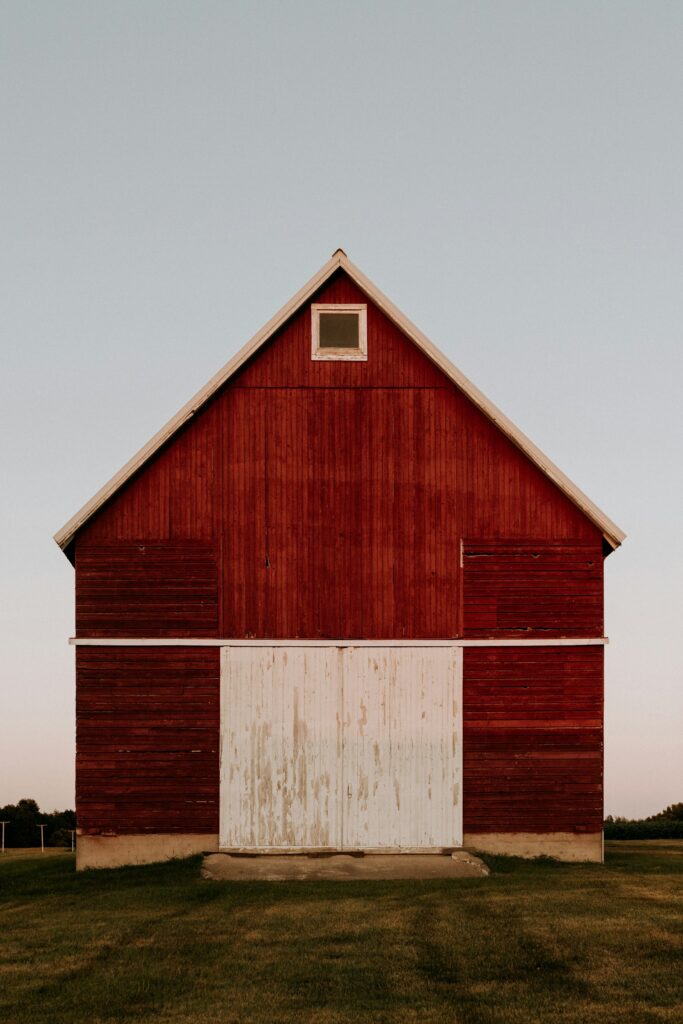
The grounds add another layer. Gardens, lawns, the red barn, and views of the historic house create a setting that feels both formal and relaxed. That balance is one reason the ranch functions well as a museum-like destination and as a community gathering place.
Tours, events, and everyday ways to experience the ranch
Public access can vary around private events, so confirm current schedules before going. According to the Camarillo Ranch Foundation’s house tour page, docent-led house tours are offered on Saturdays and Sundays from 11:00 a.m. to 2:00 p.m., with the last tour beginning at 1:15 p.m. Tours run about 45 to 60 minutes, no reservations are required, and admission is $5 per person (cash only), with children 12 and under free. Garden tours are offered on the third Sunday of each month at 11:00 a.m. Tour fees support preservation and maintenance of the historic house and grounds, and tours may be canceled when special events are scheduled.
Camarillo Ranch is also used for weddings and private events. The ranch’s event venue highlights outdoor spaces, the Historic Red Barn, on-site parking, and rental support for weddings, corporate functions, and private celebrations. For weddings, the venue notes that the barn can accommodate roughly 250 to 300 guests depending on layout, while outdoor areas offer flexibility for smaller or larger gatherings.
For community programming, the Camarillo Ranch Foundation’s 2026 calendar lists events such as Afternoon Tea at the Ranch, Throwback Thursday gatherings, Santa Nights, and outreach booths at the Camarillo Farmers Market. Event calendars change, so treat any annual list as a planning starting point rather than a guarantee.
A simple visit plan might look like this:
- Start with the house tour. It gives context before you explore the grounds and helps the architecture feel connected to real people and local history.
- Walk the exterior slowly. The porch, gardens, barn, and open lawn areas are part of the experience, especially if you enjoy historic properties.
- Check for event closures. Private events can affect tour availability, so review official updates before making firm plans.
- Bring cash and practical footwear. Tours are cash only, and historic properties often involve stairs, lawns, and uneven surfaces.
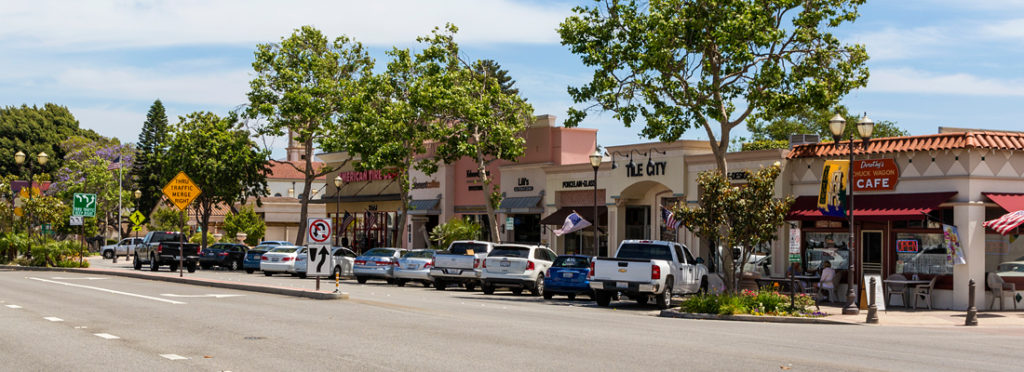
- Pair it with a Camarillo outing. The ranch works well as part of a broader day that includes lunch at one of the best restaurants in downtown Camarillo, a stop at local Camarillo wineries and tasting rooms, or a walk on nearby Camarillo hiking trails.
How does Camarillo Ranch influence nearby homes?
Camarillo Ranch influences nearby homes by giving the surrounding area a recognizable sense of place. In our experience working with buyers, people are often drawn not only to a property’s layout or lot size, but also to the character of the neighborhood around it. A nearby landmark like Camarillo Ranch can add context: it signals history, community use, mature landscaping, and a connection to the city’s agricultural roots.
That does not mean every home near the ranch has the same value, style, or lifestyle fit. Real estate decisions still depend on basics such as condition, floor plan, commute, school preferences, noise patterns, HOA rules, lot usability, and current market inventory. The ranch is best understood as a neighborhood anchor rather than a shortcut for evaluating a specific property.
For home shoppers, the most useful approach is to look at the area in layers:
- Daily convenience: Drive the routes you would actually use for work, errands, school, and weekend plans.
- Noise and traffic patterns: Visit at different times, especially if a property is near event routes, larger roads, or commercial corridors.
- Outdoor feel: Notice sidewalks, tree canopy, yard sizes, views, and access to open-feeling spaces.
- Home variety: Compare older homes, newer subdivisions, townhomes, and larger-lot properties based on your maintenance tolerance and lifestyle.
- Event proximity: Being close to a landmark can be enjoyable, but you should understand parking, traffic, and activity levels during busy dates.
This is where the phrase “nearby homes” should be interpreted carefully. A home may be geographically close to Camarillo Ranch but still feel very different depending on its street, orientation, upgrades, and surrounding land uses. If you want to see what is currently available, browse our Camarillo and Santa Rosa Valley homes for sale.
What homebuyers should know before focusing on the ranch area
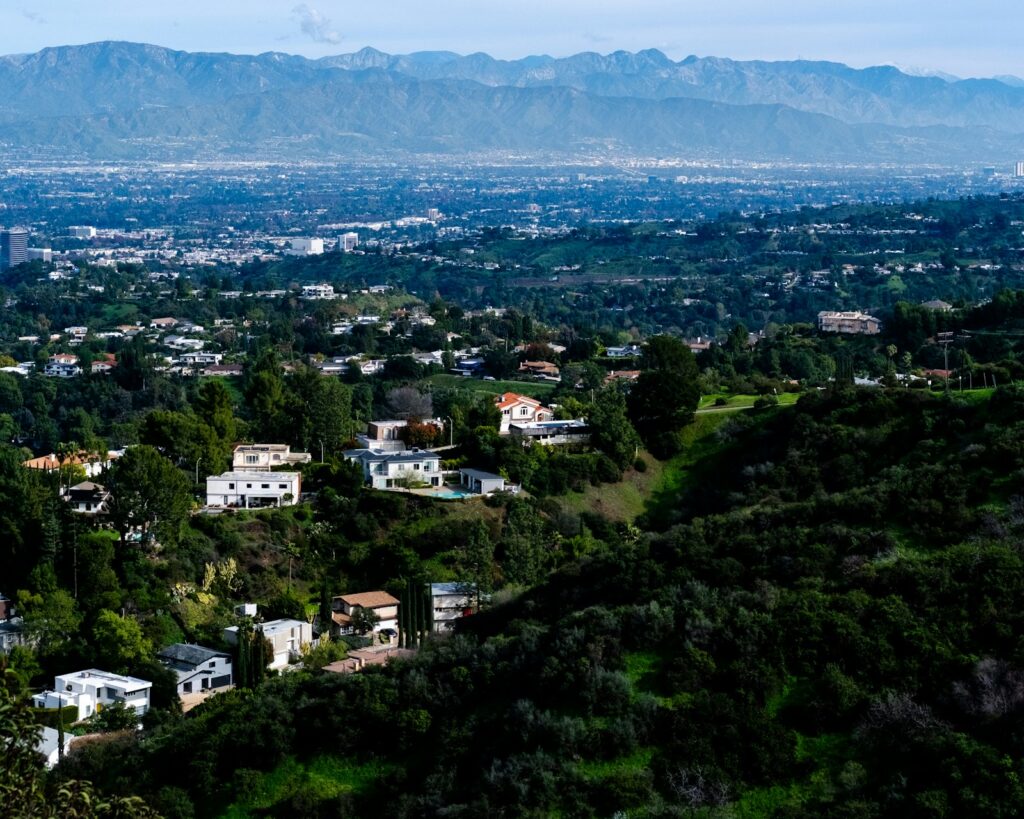
Homes near a landmark often appeal to buyers who want more than a generic location. Around Camarillo Ranch, that might mean valuing local history, established streets, access to community destinations, and a setting that feels connected to the broader story of Camarillo. For some buyers, that sense of place is a major advantage.
At the same time, a historic destination can bring activity. Weddings, tours, and community events are part of what keeps Camarillo Ranch active and maintained, but they can also affect nearby traffic or parking on certain days. Before making assumptions, we recommend spending time in the area during a normal weekday, a weekend afternoon, and, if possible, during a scheduled event.
A practical buyer checklist includes:
- Map the exact distance to the ranch. “Near” can mean a short walk, a quick drive, or simply the same general part of town.
- Review property disclosures carefully. Look for information about noise, easements, and nearby land uses. Our guide to seller disclosures explains what California sellers are expected to share.
- Read the HOA documents. If the home is in a planned community, review fees, rules, and reserves. Start with our HOA 101 guide.
- Compare recent local listings with professional guidance. Market conditions change, and broad online estimates rarely capture street-by-street differences.
- Test your routine. Drive to grocery stores, schools, parks, freeways, and favorite destinations from the home you are considering.
- Balance charm with function. A beautiful area still needs to support your budget, commute, storage needs, and long-term plans.
Why the ranch still matters to Camarillo
Camarillo Ranch matters because it keeps the city’s history visible. Many communities have origin stories that are hard to see in the built environment; Camarillo still has a landmark that links the modern city to its ranching past. The Camarillo Ranch Foundation’s stated mission is to preserve, operate, and maintain the ranch as a historic site while supporting education, enrichment, and community enjoyment.
That mission explains why the property serves so many roles at once. It is a tour destination, an event venue, a backdrop for celebrations, a preservation project, and a local reference point. For residents, it can be a place they pass often but still rediscover during public events. For newcomers, it offers an accessible introduction to the city’s identity.
Final takeaway
Camarillo Ranch is more than a pretty historic house. It is a preserved heritage site, an event destination, and a meaningful neighborhood anchor that helps explain the character of Camarillo itself. Whether you are planning a tour, considering an event, or exploring nearby homes, start with the ranch’s history and then look closely at how the surrounding area fits your day-to-day life. If you are weighing a move to Camarillo or the surrounding Ventura County communities, our team is happy to share local insight and help you compare neighborhoods.
Sources and how we reviewed this guide
Historic details in this article were checked against the National Park Service’s National Register of Historic Places record and the California Office of Historic Preservation listing for the Camarillo Ranch House. Tour hours, fees, mission, and event information come from the Camarillo Ranch Foundation and the ranch’s official events venue, and were last reviewed in October 2026. Schedules and fees can change, so confirm details directly with the Camarillo Ranch Foundation before you visit.